Union Road Transport and Highways Minister Nitin Gadkari has said that a car running entirely on ethanol is set to launch in October, and that it will not need petrol at all. Speaking at an event in Delhi, Gadkari claimed the running cost of this car would work out to roughly the same as a petrol car using fuel priced at around Rs 25 a litre — a sharp drop from current pump prices.
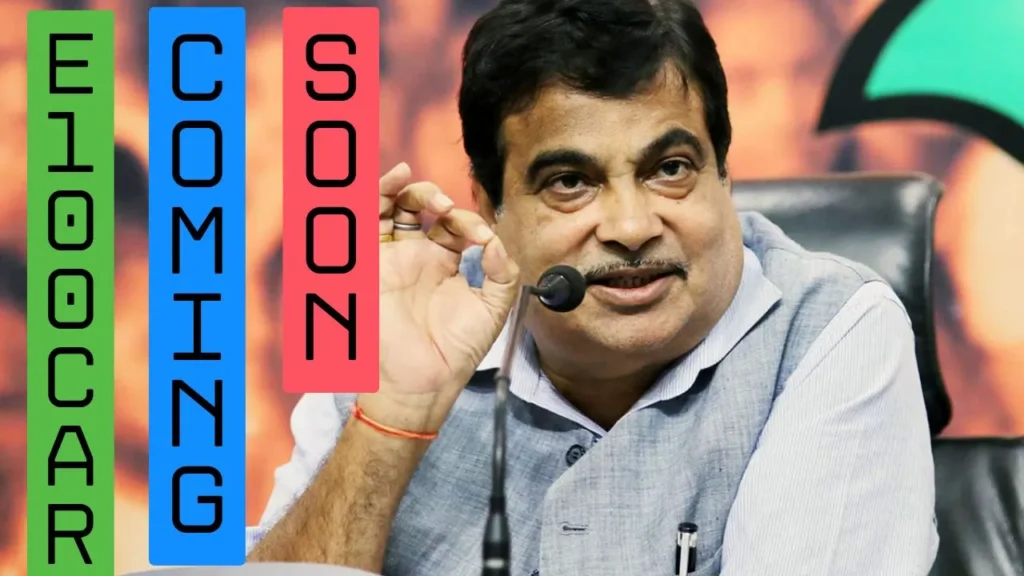
The statement comes at a time when the government’s E20 ethanol-blending policy is facing scrutiny in Parliament and on social media over its effect on vehicle engines and mileage.
What Did Gadkari Say? –
- A 100% ethanol-powered car will launch in October 2026
- The vehicle will not require petrol at all
- Running cost is claimed to be equal to a petrol car fuelled at around Rs 25/litre
- The car is also claimed to generate 60 percent electricity while running
Gadkari made these remarks while responding to criticism of the E20 blending policy, under which petrol sold in India is mixed with up to 20 percent ethanol.
Toyota Innova Flex-Fuel: Launch Timeline –
Gadkari confirmed he has been invited to the October launch of Toyota’s Innova flex-fuel car, a version engineered to run on 100 percent ethanol instead of conventional petrol.
“Ethanol is being used in 19 countries in the world and today no complaint is coming from any vehicle in India. In October, I have been invited for the launch of Toyota’s Innova car that will run on 100 percent flex fuel,” Gadkari said.
Flex-fuel vehicles are built to run on a range of ethanol-petrol blends — anywhere from E20 up to pure ethanol — letting owners choose fuel based on availability and cost. Toyota’s Innova won’t be the first such vehicle in India: Maruti Suzuki launched the country’s first flex-fuel passenger car back in June this year, giving the segment an early head start.
E20 Blending Policy: Why It’s Under Fire –
India’s E20 policy blends 20 percent ethanol into regular petrol, a move that has drawn pushback from sections of the public and lawmakers concerned about its impact on:
- Vehicle mileage
- Engine health and long-term durability
- Overall maintenance costs
Gadkari maintained that no confirmed complaints have come in from vehicles running on ethanol-blended fuel in India so far. The government has echoed this stance, stating it has not received widespread or verified complaints from vehicle manufacturers, automobile associations, or consumer groups regarding E20’s effect on mileage or engine performance. It has pointed to laboratory studies and field trials on engine durability and material compatibility to back this position.
Bike Taxis Get A Push Too –
Alongside the ethanol announcement, Gadkari also pushed for the wider rollout of bike taxi services. He said app-based platforms could give two-wheeler owners an additional source of income without requiring fresh investment, and that state transport ministers have been asked to open up this option — particularly for people in villages who already own two-wheelers. According to Gadkari, this could generate employment for crores of people if adopted across states.
The Bigger Picture Behind India’s Ethanol Push –
This isn’t the first time Gadkari has championed ethanol as a fuel alternative. At a separate event launching Madhya Pradesh’s new public bus service, he described ethanol as turning farmers into “urja data,” or energy providers, pointing to a rise in maize prices after ethanol production ramped up. He has consistently advocated for flex-fuel, electric, and hydrogen vehicles as alternatives to conventional petrol and diesel.
Ethanol has become one of the most debated fuel topics in India largely because of the E20 blending mandate, with concerns repeatedly raised in Parliament and on social media over its effect on vehicle mileage and engine health.
Our Take –
Gadkari’s Rs 25/litre claim is bound to grab attention, but the real test will come once the Toyota Innova flex-fuel model is actually out and owners start clocking real-world mileage. Ethanol still has a lower energy density than petrol, so a straight rupee-for-rupee comparison at the pump doesn’t always translate into identical running costs — actual savings will depend on how the engine is tuned for pure ethanol use. With Maruti already having a flex-fuel car on sale and Toyota preparing to follow, October’s launch could be an important marker for how seriously automakers and buyers are willing to bet on ethanol as a mainstream fuel option in India.
What do you think — would you consider a 100% ethanol car once it launches? Let us know in the comments below!
