Introduction
The old Renault Duster had become very popular — even in countryside areas — thanks to its exceptional ride quality and large ground clearance. However, at that time, Renault’s weak dealership network, the Duster’s body roll, and strong competition from rivals like Hyundai Creta pushed it to the back seat.
But now in 2026, the Renault Duster has returned with new hopes and a completely refreshed package. Let’s see what this new Duster has to offer.
Key Highlights
Exterior
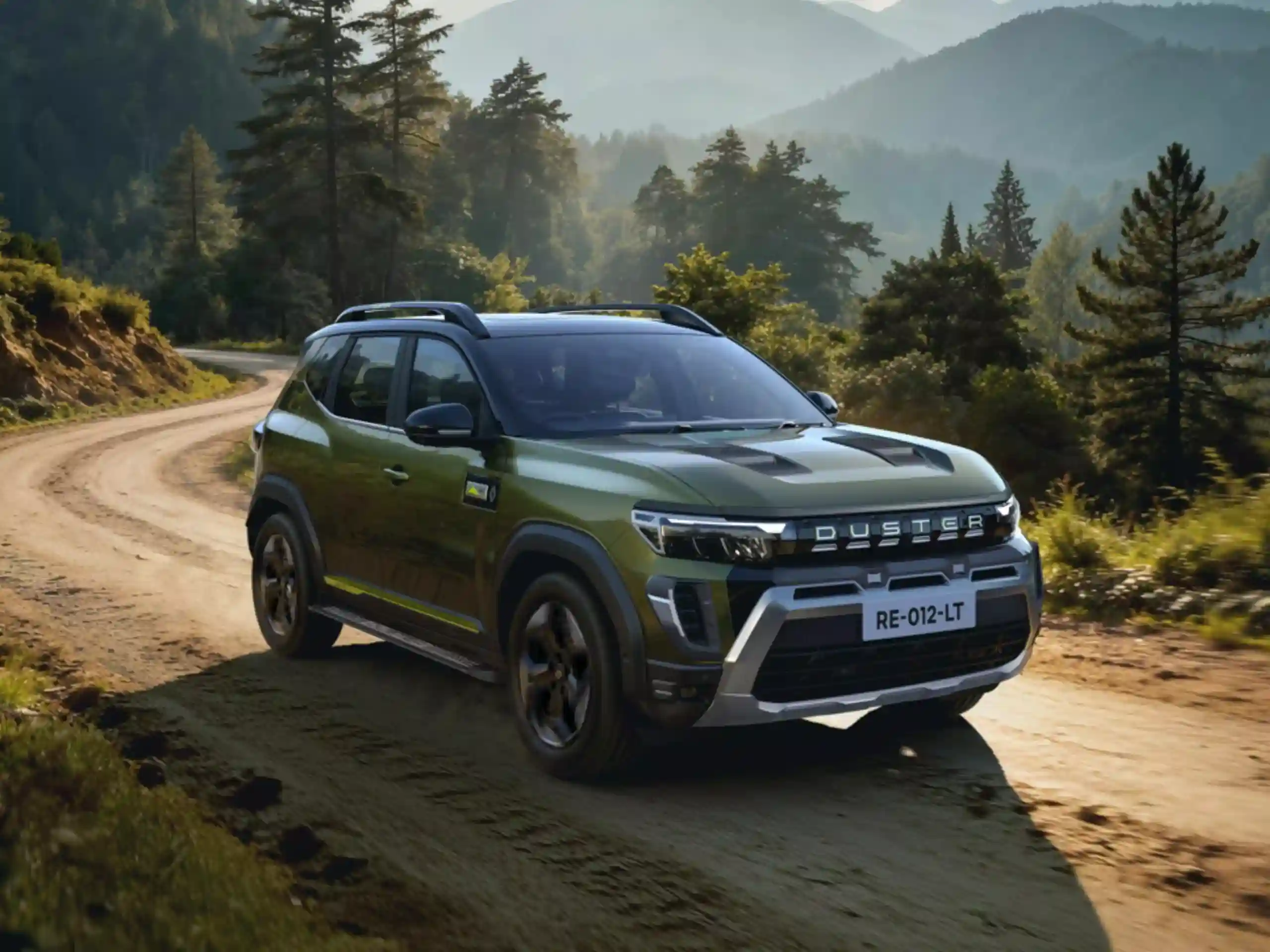
- ◆Front Profile: Features a distinctive front grille, LED lamps, and three bullet-hole-style DRLs. Fog lamp space is minimal but the overall fascia looks sharp.
- ◆Side Profile: The rear door handles are cleverly hidden behind the glass — a sleek, in-built design that keeps the side clean.
- ◆Rear Profile: Y-shaped taillamps at the back look great and are crowd-pleasing. “DUSTER” is written in bold lettering below the number plate — a confident styling touch.
- ◆Top Model: The top variant gets a dual sunroof that extends all the way to the back seat.
- ◆Wheels & Stance: Large, simple alloy wheels give it a bulky, road-commanding stance — stand next to it and you’ll feel the scale.
Interior
The Renault Duster’s cabin sets a high standard for its segment. Here’s what you get inside:
- ◆Driver Seat: The driving position is comfortable with good visibility. The dashboard buttons and controls in front of the driver are well-placed and the finish feels premium.
- ◆Controls & Dashboard: The centre console houses clean AC controls. The dashboard layout looks fresh and modern, not cluttered.
- ◆Cabin Noise: Excellent insulation — road and wind noise from outside are kept well in check.
- ◆Rear Seats: Legroom at the back is adequate. Rear AC vents and USB/car charger points are provided.
- ◆Third Row: The third row can comfortably seat two passengers — a useful bonus for families.
- ◆Display: A large 26.03 cm (10.25″) TFT driver display is offered — modern and feature-rich.
Engine Options
The new Renault Duster comes with two engine options, both turbocharged and capable:
| Engine | Displacement | Power | Gearbox |
|---|---|---|---|
| Turbo ICe 100 | 999 cc · 3-Cylinder Turbo Petrol | ~100 hp | 6-Speed Manual |
| Turbo TCe 160 | 1333 cc · 4-Cylinder Turbo Petrol | ~160 hp | MT & DCT (Auto) |
Both engines come with updated hardware. The TCe 160 is a notably powerful step up in this segment.
Driving Experience
We drove the 3-Cylinder Turbo 100 MT variant. Here are the key takeaways:
- ◆The clutch is soft and gear shifts are buttery smooth — a pleasure to drive in city traffic.
- ◆The engine feels responsive and punchy. Power delivery is confident and linear.
- ◆Small potholes and bumps are absorbed so well, you barely notice them — the suspension tuning is excellent.
- ◆Whether it’s city lanes or long highway stretches, the Duster inspires driving confidence throughout.
- ◆Despite its size, the car feels light to handle. Body control on rough roads is well managed.
Price & Final Verdict
The Renault Duster is a car that lives up to its name both on the road and on paper. If you’re looking for a base model, go for the Duster Authentic 1.0 Turbo. If you want the extra punch of the larger engine, the Duster Evolution 1.3 Turbo is the sweet spot — the price difference is worth every rupee.
“Renault Duster is as good on the road as it looks on paper. And that is saying something.”