Hyundai’s made-for-India small EV is expected to be called the Ioniq P
It is meant to lift Hyundai’s EV share toward the industry average by FY28
Hyundai is preparing its most important electric launch in India so far, and it is not a premium model. The compact EV, codenamed HE1i, is expected to arrive in the first quarter of 2027. On its third-quarter 2026 earnings call on October 29, Hyundai management referred to an “Ioniq P” that will follow the Bayon in India. The name has not been officially confirmed for India, but if it sticks, it says a lot about where Hyundai wants its EV business to go.

A third EV, and the first one meant for volume
Hyundai currently sells two EVs in India: the Ioniq 5, on sale since 2023, and the Creta Electric. The Ioniq P would be the third. The earlier two sit in the premium and upper-mid price brackets, so they do little to widen Hyundai’s EV customer base.
The Ioniq P is aimed at the other end. Hyundai Motor India MD Tarun Garg has said the company plans to use a made-for-India, mass-market EV to bring its EV share closer to the industry average in FY28. Hyundai has not given a sales target for the model. That makes it the car on which Hyundai’s electric ambitions in India depend.
Why the Ioniq name matters
Hyundai has used the Ioniq badge globally for its EV family. Putting it on a small, accessible SUV would show that Hyundai wants the brand to stand for more than expensive electric cars.
Caution is needed here. Hyundai Motor India has not announced the name, and the management comments on the call did not explicitly link “Ioniq P” to the HE1i project. For now, treat it as the likely name, not a confirmed one.
The market is moving fast
India’s electric passenger vehicle sales have grown by almost 90 per cent so far in FY27. In that market, a company with only premium EVs risks being left out of the volume growth.
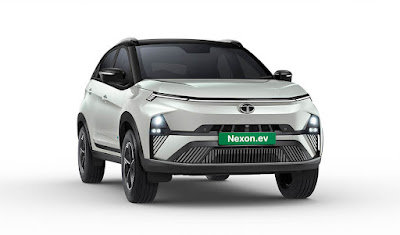
The segment Hyundai is entering is also getting crowded. The Tata Nexon EV, Mahindra XUV 3XO EV and Kia Syros EV are already on sale. Renault’s Bridger EV and Nissan’s version of it are coming, along with future models from VinFast, Maruti and Honda. Arriving in early 2027, Hyundai will be a late entrant in a segment that is filling up quickly.
What Hyundai is bringing
The Ioniq P is expected to be a born-electric SUV on the E-GMP (K) platform, which also underpins the Inster EV sold in global markets. It will be built at Hyundai’s Sriperumbudur plant in Tamil Nadu, which keeps it local.
The Inster comes in 42 kWh and 49 kWh versions with a claimed range of up to 355 km on the WLTP cycle. For India, the Ioniq P is expected to share its battery and motor options with the Kia Syros EV. That would mean 42 kWh and 51.4 kWh packs, a 133 bhp/255 Nm motor, and claimed ranges of 443 km and 526 km. These are expectations, not Hyundai figures, and range numbers on different test cycles are not directly comparable.
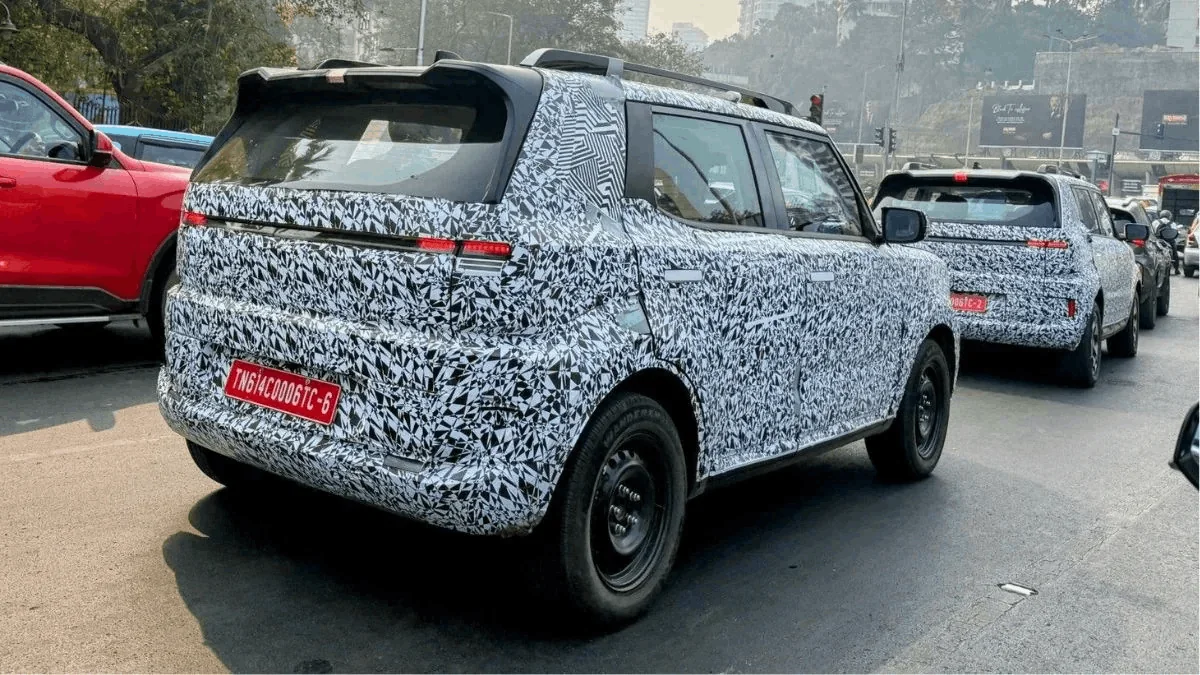
Hyundai has confirmed a next-generation infotainment system and Level 2 assisted driving technology. These are expected to be the Pleos Connect system and a Level 2 ADAS suite. Features such as ventilated and powered front seats, OTA updates and wireless smartphone connectivity are possible, but not confirmed.
The battery question
Cost is where an affordable EV is won or lost, and the battery is the biggest part of that cost. Hyundai plans to use imported cells at first. It had hoped to source local cells through its partnership with Exide Industries, but Exide has indicated that supplies under the Hyundai-Kia programme will not begin this year. Local sourcing is therefore a later step.
This is the main risk to the Ioniq P’s pricing. Imported cells will keep costs high at launch, just when Hyundai needs the car to be priced sharply. Hyundai has not announced a price, and there are no official numbers on variants or range yet.
Timing is also a concern
The launch has slipped. Hyundai’s earlier indication was for the end of 2026. The expected debut is now January 2027, with Q4 of FY2027 (January to March 2027) as the official window. A delay of a few weeks is not serious on its own, but every month brings a new rival into the segment.
What will decide its success
If Hyundai prices the Ioniq P close to the Nexon EV and Syros EV, delivers a realistic range of 400 km or more, and starts local cell supply soon after launch, it could make Hyundai a real contender in affordable EVs. If the price is high or local sourcing slips further, the Ioniq P could end up as another good EV that most buyers cannot afford. The price announcement will show which of the two it is.
Sources used: the facts above come from the three reports on Hyundai’s Q3 2026 earnings call and the Ioniq P launch plans that you supplied. Figures for the battery packs and range are drawn from the Kia Syros EV and the global Inster EV, and are not Hyundai’s own numbers for this car.